
Thermography
Optimized & Industry-ready Solutions
For All Your Complicated Needs
The thermal imager converts the infrared radiation into a visible image, with different colors or shades representing different temperatures. The resulting image is known as a thermogram or thermal image, which can provide valuable information about the temperature distribution and patterns of an object or surface
Thermography works by detecting and measuring the infrared radiation emitted by objects or surfaces, which is related to their temperature. The images produced by a thermographic camera show the distribution of temperature on the surface of an object or scene, with warmer areas appearing brighter and cooler areas appearing darker.
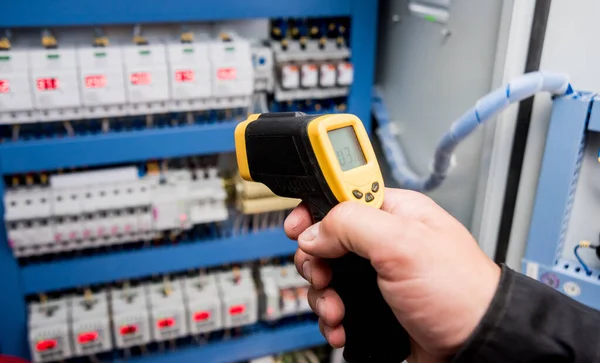
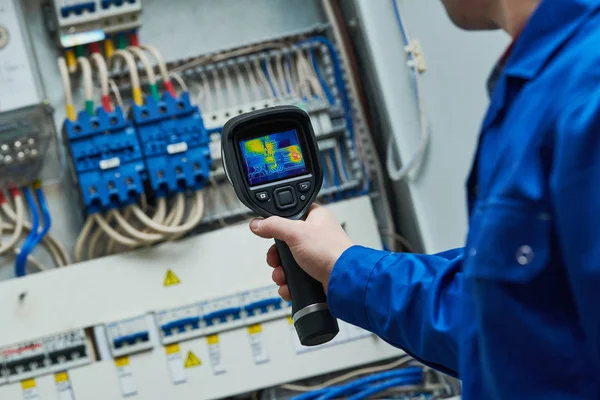
Our Innovations
Thermography has a wide range of applications in various industries, including:
Electrical and mechanical inspections
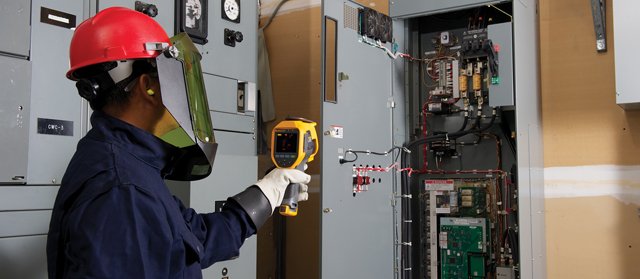
Thermography can be used to detect hot spots or temperature variations in electrical systems, motors, bearings, and other mechanical components, indicating potential faults or failures.
Medical diagnostics
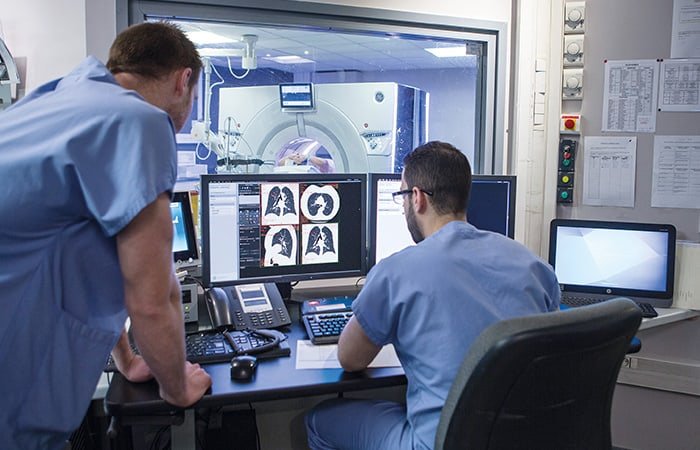
Thermography can be used to detect abnormalities in the human body, such as inflammation, blood flow, or nerve damage.
Building inspections
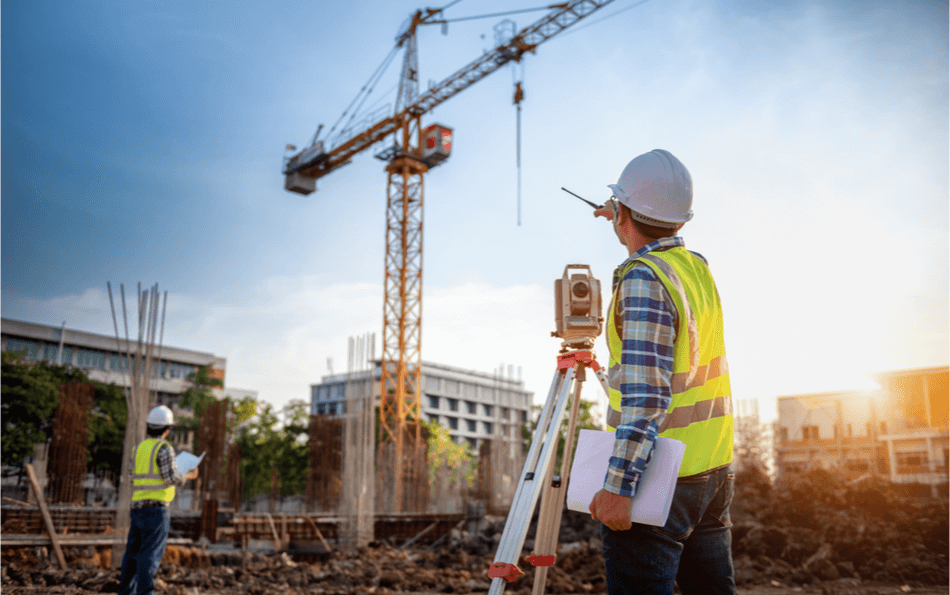
Thermography can be used to identify heat loss or air leakage in buildings, as well as moisture intrusion or water damage.
Aerospace and defense
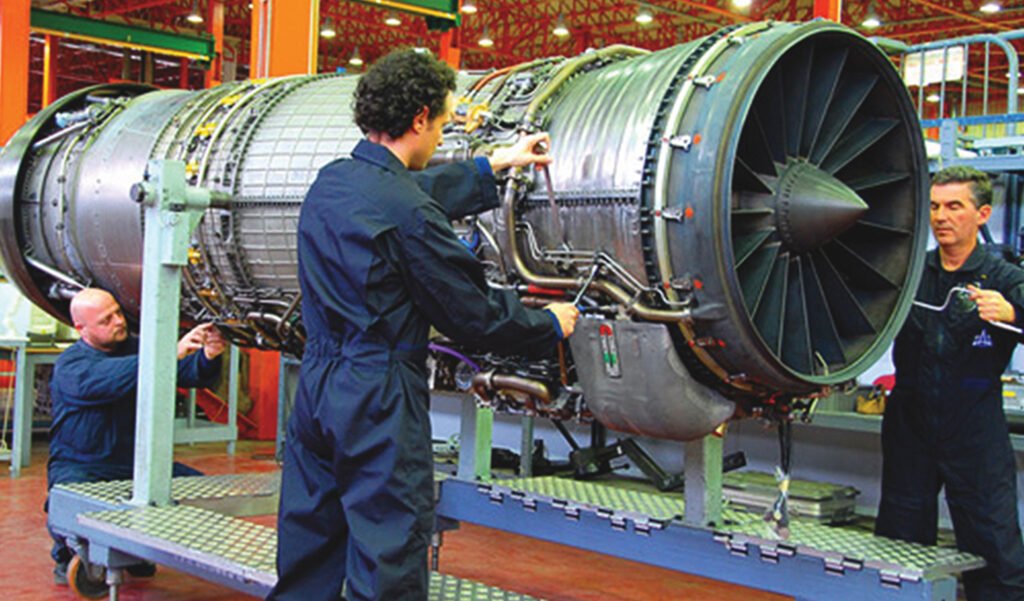
Thermography can be used to detect heat signatures of aircraft, missiles, and other objects, as well as monitor engine performance and detect potential defects or failures.
Agriculture
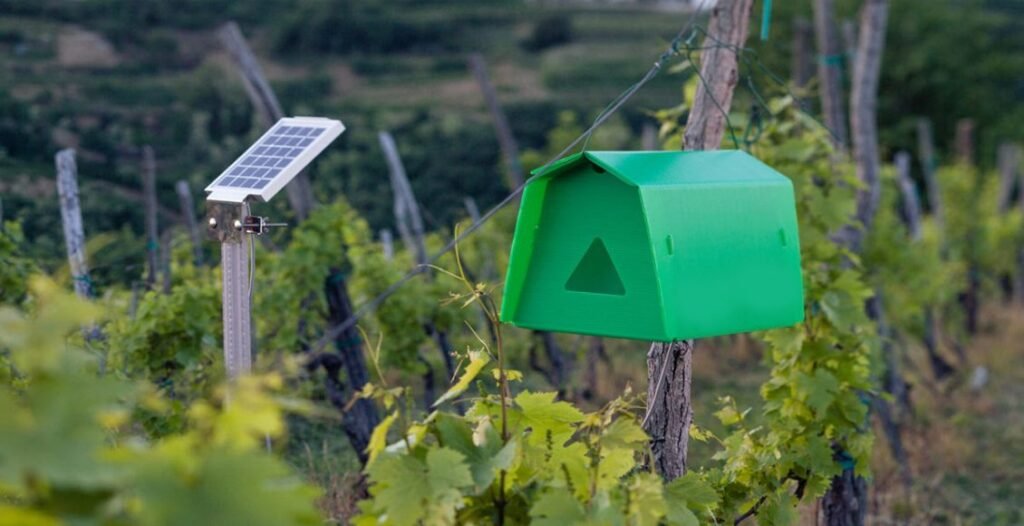
Thermography can be used to monitor crop health, detect irrigation issues, and identify areas of pest infestation.
Overall, thermography provides a non-invasive and non-contact method for measuring and visualizing temperature variations, making it a valuable tool for a wide range of applications in industry, medicine, and other fields.