
Power quality audit
Optimized & Industry-ready Solutions
For All Your Complicated Needs
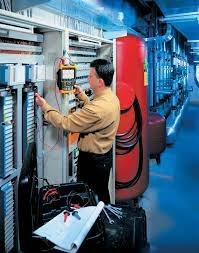
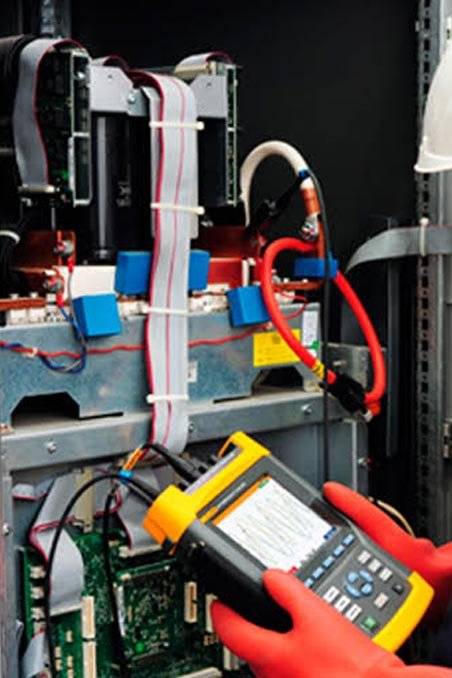
During a power quality audit, various types of equipment may be used to measure and analyze the electrical supply, including power quality analyzers, voltage recorders, and waveform monitors. These instruments can measure the voltage, current, power factor, and other electrical parameters to assess the quality of the power supply.
The audit may also involve a visual inspection of the electrical system, including the wiring, grounding, and distribution equipment. This can help identify any physical issues that may be affecting the power quality, such as loose connections or inadequate grounding.
Our Innovations
The main goal of a power quality audit is to identify any issues that may be affecting the reliability, safety, or efficiency of the electrical system. Some common issues that may be identified during an audit include:
Voltage sags and surges
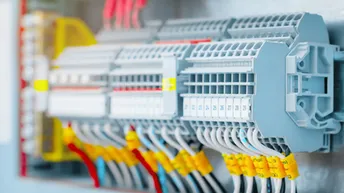
Voltage sags can be caused by a variety of factors, including lightning strikes, utility system faults, and the starting of large electrical loads. Voltage sags can cause equipment to malfunction or shut down, leading to production losses, equipment damage, and even safety hazards. Common symptoms of voltage sags include flickering lights, slowed or stopped equipment, and computer crashes.
Overloaded circuits and inadequate wiring
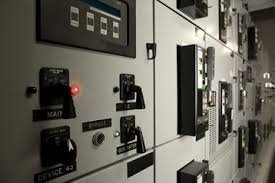
Overloaded circuits and inadequate wiring are two common electrical problems that can pose safety hazards and cause damage to electronic equipment. An overloaded circuit occurs when too much electrical current flows through a circuit, which can cause the wires to overheat and potentially start a fire. Inadequate wiring refers to wiring that is not designed to handle the amount of electrical current required by the devices connected to it.
Improperly sized or installed equipment
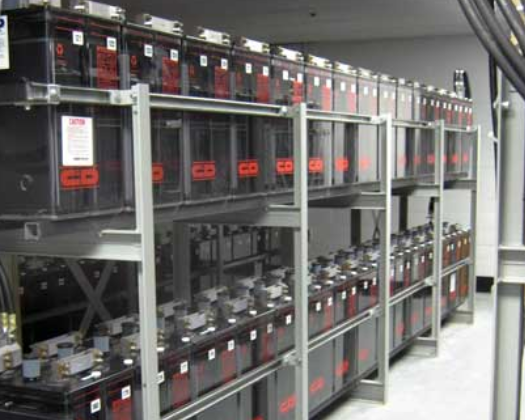
To ensure proper grounding and bonding, it is important to have electrical systems inspected by a licensed electrician. The electrician can check that all equipment is properly grounded and that all metal components are properly bonded. Additionally, it is important to ensure that all electrical equipment is installed according to manufacturer’s specifications and that all wiring and connections are in good condition.
Harmonics and other electrical noise
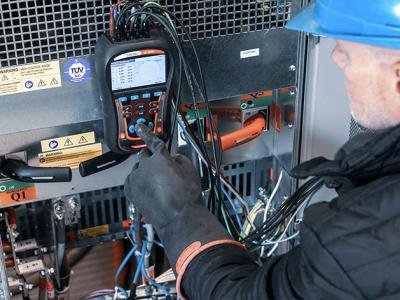
Harmonics are essentially multiples of the fundamental frequency of the electrical system, which is usually 60 Hz in North America and 50 Hz in many other parts of the world. When electronic equipment draws power from the electrical system, it can create harmonics that interfere with other equipment on the same system. This can result in problems such as reduced efficiency, overheating, and even equipment failure.
Inadequate grounding or bonding
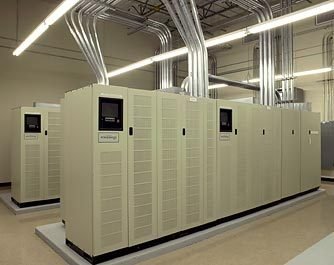
To ensure proper grounding and bonding, it is important to have electrical systems inspected by a licensed electrician. The electrician can check that all equipment is properly grounded and that all metal components are properly bonded. Additionally, it is important to ensure that all electrical equipment is installed according to manufacturer’s specifications and that all wiring and connections are in good condition.
Power factor issues
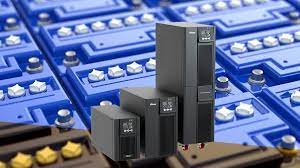
PFC technology allows the UPS to deliver power more efficiently to the load, reducing the amount of current required and minimizing stress on the UPS components. Additionally, load balancing and properly sizing the UPS for the expected load can also help prevent power factor issues.
Once the issues have been identified, our auditor can provide recommendations for corrective action to improve the power quality and ensure the safe and efficient operation of the electrical system. This may include equipment upgrades, installation of surge protection devices, or changes to the wiring or distribution system.